
About RizzitGO Spreadsheet
Click the images below to browse!





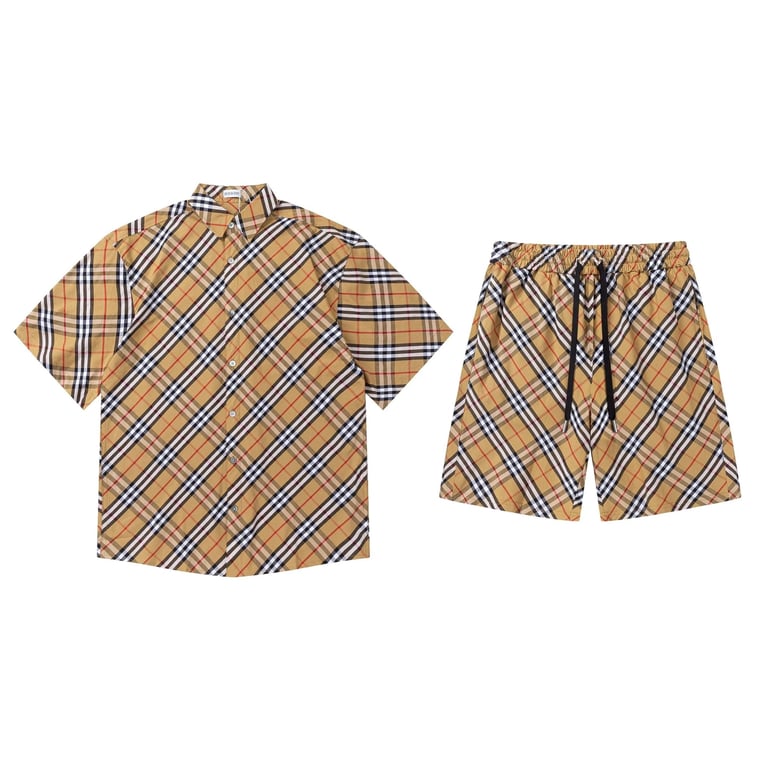
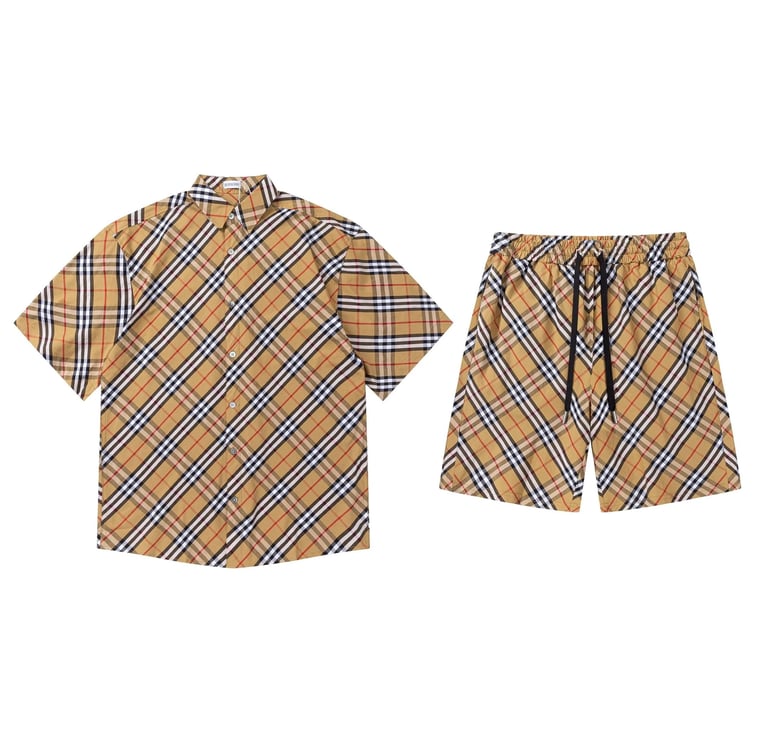
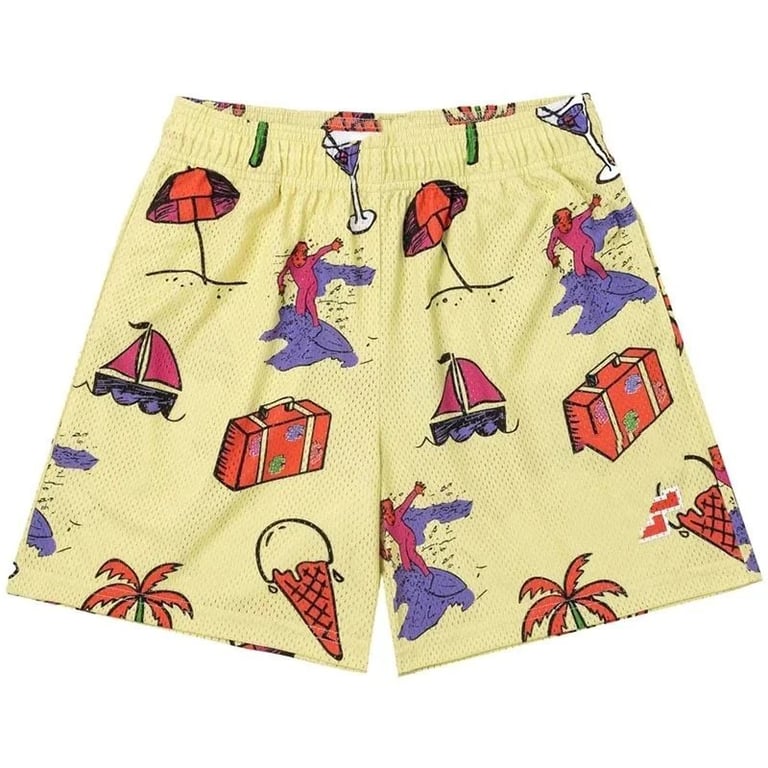
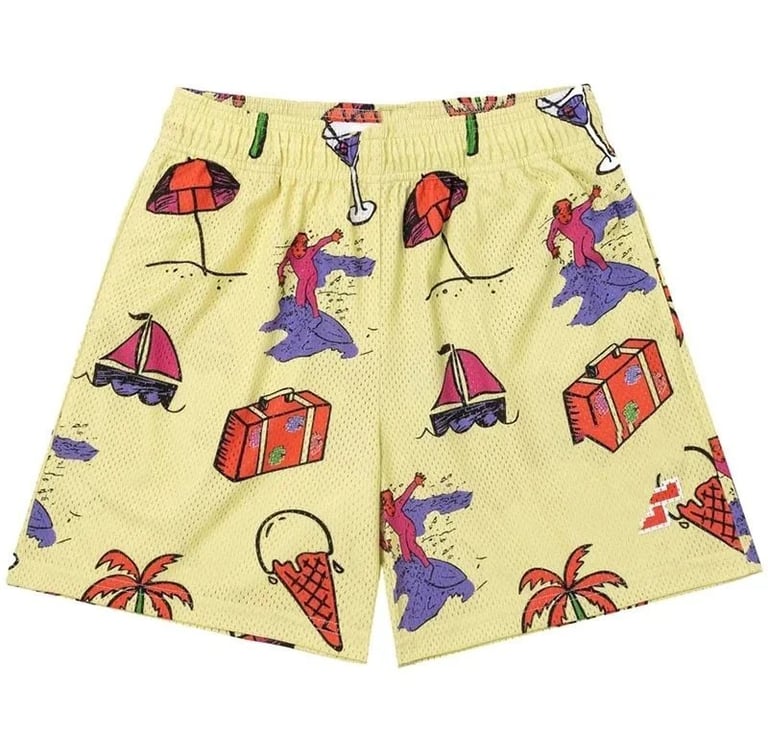


How Rizzitgo spreadsheet helps users plan household shopping lists
Household shopping lists are usually treated as something simple and temporary—write a few items, go to different stores, and complete the purchase. In practice, this process is far more fragmented. People forget items mid-way, add duplicates, or discover missing essentials only after they start browsing. The result is not a planned list, but a constantly changing set of decisions.
The Rizzitgo spreadsheet approaches household planning differently. Instead of treating a shopping list as a one-time checklist, it turns it into a structured system that reflects real household routines, consumption cycles, and replacement behavior.
A shopping list is usually created too late
Most users build their list only after noticing something is already missing. At that point, the list is reactive rather than planned.
In real usage, this leads to:
incomplete item grouping
repeated trips or repeated browsing sessions
inconsistent product selection across time
forgotten but necessary essentials
The Rizzitgo spreadsheet shifts this timing earlier by continuously organizing items based on recurring household needs rather than waiting for manual list creation.
Household needs are not random—they repeat in patterns
Inside the Rizzitgo spreadsheet, household products are not treated as isolated purchases. They are interpreted as repeating cycles.
For example:
cleaning supplies follow predictable replenishment cycles
kitchen consumables appear in recurring usage loops
personal care items follow stable replacement rhythms
Instead of listing items individually, the system groups them according to these cycles, allowing users to see their household needs as structured patterns rather than random tasks.
Shopping lists become layered instead of flat
Traditional lists are flat: one line, one item, no structure. The Rizzitgo spreadsheet turns them into layered groupings.
A household list may naturally separate into:
urgent replenishment items (running out now)
scheduled replacements (weekly or monthly cycles)
occasional items (rare but necessary purchases)
This layered structure helps users prioritize without manually reorganizing their list every time.
Reducing duplication and missing items
One of the most common issues in household shopping is repetition and omission—buying the same item twice or forgetting essential items.
The Rizzitgo spreadsheet reduces this by keeping household items in persistent clusters rather than temporary lists. When users revisit a category, they see previously grouped essentials instead of starting from scratch.
This makes it easier to:
recognize already-considered items
avoid accidental duplication
fill gaps in incomplete lists over time
Lists evolve instead of restarting every time
In conventional behavior, each shopping session starts a new list. The Rizzitgo spreadsheet changes this into an evolving structure.
Instead of:
new list → new decisions → reset context
Users experience:
existing structure → update items → refine clusters
This means household planning becomes cumulative rather than repetitive.
From planning to execution through Rizzitgo links
Once a structured household list is formed inside the Rizzitgo spreadsheet, Rizzitgo links connects it directly to supplier environments.
Users can:
open pre-grouped household clusters instantly
move from list items to actual product listings without re-searching
compare similar essentials across different suppliers
This removes the gap between planning and purchasing, especially for routine household needs.
Conclusion
The Rizzitgo spreadsheet helps users plan household shopping lists by turning fragmented, reactive list-making into a structured system based on consumption cycles, repetition patterns, and layered priorities. Instead of rebuilding lists every time, users work with an evolving household structure that reflects real-life usage.
Combined with Rizzitgo links, this structure becomes directly actionable, allowing household planning to flow seamlessly into sourcing and purchase execution without repeated effort or context loss.